


Inside the NY Smart I-Corridor: Is Rochester Ready for the Semiconductor Economy

Updated: Sep 12

Most people hear "Tech Hub" and picture one massive factory, one city, and one winner. That's not what's happening in Upstate New York.
The New York Smart I-Corridor is an economic development strategy built around a different idea: every region contributes what it already does exceptionally well.
Syracuse is becoming the manufacturing powerhouse, anchored by Micron's historic $100 billion over the next 20-plus years to build its semiconductor fab facility.
Buffalo is strengthening advanced manufacturing, supplier networks, and workforce development to support the growing semiconductor industry.
Ithaca continues to drive research, innovation, and commercialization through Cornell University's world-renowned engineering and materials science programs.

And Rochester?
Rochester enters this moment with something few regions can match: decades of global leadership in optics, photonics, imaging, precision manufacturing, engineering talent, and applied research. Those aren't relics of the past—they're the foundation for what's next.
Arizona built one of the world's strongest semiconductor ecosystems by allowing Phoenix, Tucson, and neighboring communities to specialize rather than compete. Phoenix became synonymous with large-scale chip manufacturing, while Tucson doubled down on optics, photonics, and research. Together, they created an innovation economy that became stronger because every city understood its role.
That's exactly what makes the New York Smart I-Corridor so compelling.
It's not a race to see which city wins.
It's a regional strategy that recognizes every community has a competitive advantage—and when those strengths work together, the entire region becomes more globally competitive.
What if the New York Smart I-Corridor isn't really about semiconductors?
Stay with me.
One of the biggest misconceptions surrounding the I-Corridor is that only engineers or chip manufacturers stand to benefit.
In reality, successful technology ecosystems create demand across nearly every industry.

As semiconductor manufacturing expands, so does the need for supply chain companies, software developers, cybersecurity experts, logistics providers, construction firms, workforce trainers, financial institutions, marketing agencies, legal services, HR professionals, and countless small businesses that support growth.
The companies that benefit most from the I-Corridor may never manufacture a single semiconductor. Some of the most valuable breakthroughs may come from the technologies, processes, and talent that make advanced manufacturing faster, more reliable, and more competitive.
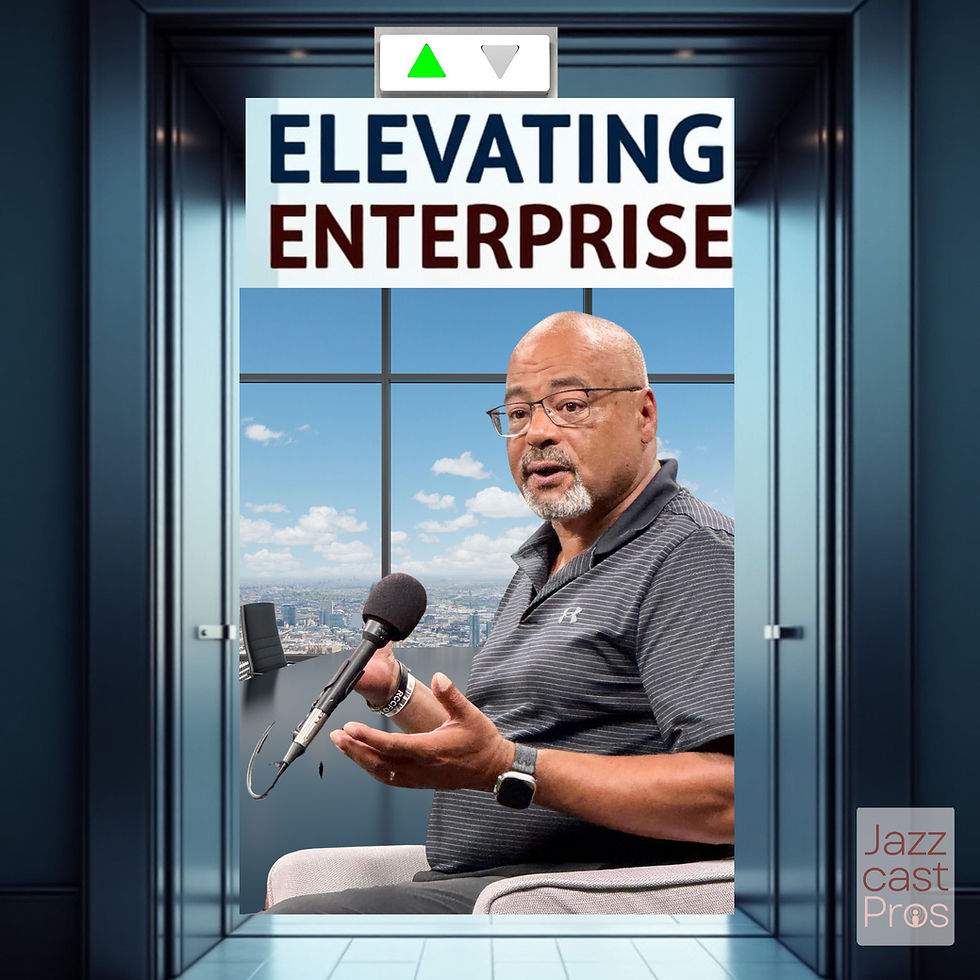
This article was inspired by the premiere episode of Inside the I-Corridor, a new podcast and thought leadership series from Elevating Enterprise exploring the people, partnerships, and opportunities shaping the future of Upstate New York's innovation economy.
Listen on Spotify | Apple Podcasts | iHeart Radio or via Desktop
The inaugural conversation features Rosalie Clemens, Director of RIT Certified, and AJ LiVecchi, Associate Director of Product Development, who share insights on workforce readiness, regional collaboration, and why the I-Corridor represents far more than a semiconductor initiative.
Listen to the full episode of Inside the I-Corridor on Elevating Enterprise wherever you get your podcasts and subscribe as we continue exploring the leaders building the future of Upstate New York.
###


Comments